Serving Lompoc, CA and surrounding areas. (805) 291-8906
Lompoc Insulation serves Paso Robles homeowners with retrofit insulation, attic insulation, blown-in insulation, spray foam, wall insulation, and crawl space vapor barrier services - from older ranch homes near downtown to newer subdivisions on the north side and rural properties past the highway. We are locally owned, experienced, and respond to every inquiry within one business day.
A large share of Paso Robles homes near downtown were built in the 1940s through 1970s, when insulation requirements were minimal or nonexistent. Adding insulation to an existing home without a full renovation - blowing material into attics, filling wall cavities through small access holes, insulating crawl spaces - is exactly what retrofit work is designed to do. Our retrofit insulation service covers the full range: attics, walls, and crawl spaces in one project, so you are not paying for multiple visits to address the same house.
Paso Robles has some of the hottest summers in San Luis Obispo County - temperatures over 100 degrees are not unusual in July and August. In a home without adequate attic insulation, that heat radiates down through the ceiling and forces air conditioning to run almost continuously on the hottest afternoons. Upgrading the attic to current California R-value recommendations is the single highest-impact insulation upgrade for most Paso Robles homeowners trying to control summer cooling costs.
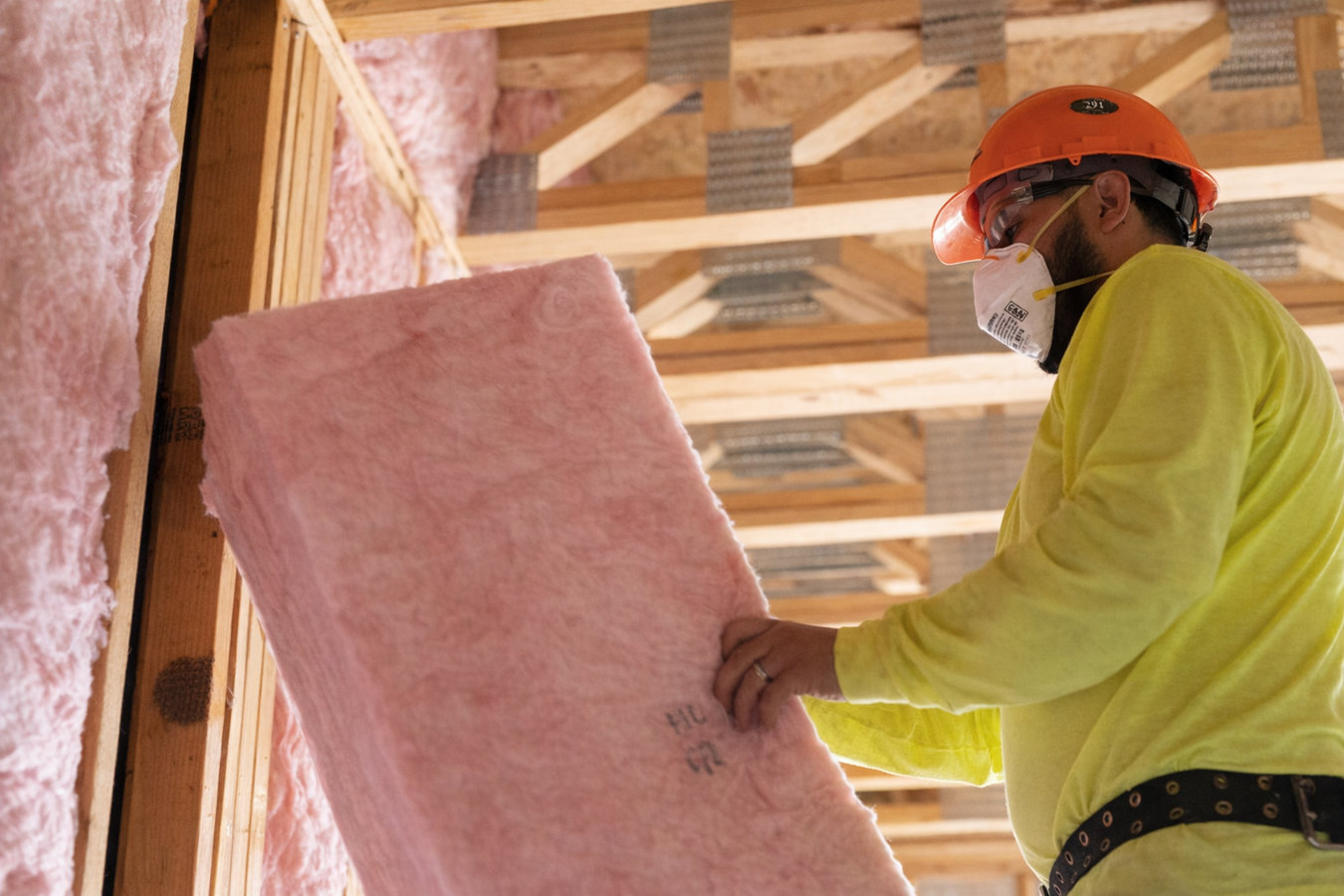
Blown-in insulation is particularly well suited for the ranch-style homes common throughout Paso Robles, where low-pitched roofs and open attic spaces make for efficient and complete coverage with minimal disruption. It is also the method of choice for topping up attics in older homes where some insulation exists but has compressed over decades of hot summers and cold winters. Blown-in cellulose or fiberglass fills around joists, wiring, and existing material without leaving the gaps that batts commonly miss.
Paso Robles clay soils expand in wet winters and shrink in dry summers, which means moisture fluctuates significantly in crawl spaces throughout the year. Homes on raised foundations - particularly the older wood-frame houses near downtown - accumulate ground moisture in uninsulated crawl spaces that works silently into floor joists over time. Pairing crawl space insulation with a vapor barrier addresses both the cold floors homeowners feel in winter and the hidden moisture damage that builds up over years.
For Paso Robles rural properties and ranchettes on larger lots, closed-cell spray foam in crawl spaces and rim joists provides both insulation and a durable moisture barrier that holds up through the wet-dry cycles the area experiences. Newer stucco homes in the Quail Ranch and Traditions subdivisions that are approaching 20 to 30 years old often benefit from spray foam in the attic knee walls and around HVAC penetrations where original sealing has failed. Spray foam fills irregularly shaped gaps that blown-in material cannot fully address.
Paso Robles has one of the most extreme temperature ranges of any city on the Central Coast. Summer highs regularly reach 95 to 105 degrees from June through September, while winter nights from December through February regularly drop below freezing. That combination of genuine summer heat and real winter cold - unusual for a California coastal region - puts specific demands on homes that many owners underestimate until they see their utility bills. The city sits at roughly 720 feet elevation inland from the coast, which removes the moderating effect of marine air that neighboring cities enjoy. Older ranch-style homes from the 1950s through 1980s make up a large share of the housing stock near downtown and in the established residential neighborhoods on both sides of Highway 101 - and most were built with insulation levels that fall well below what California now requires.
The clay soils throughout the Paso Robles area expand significantly in wet winters and shrink back in dry summers. This seasonal movement puts stress on crawl space floor framing, concrete slabs, and foundations in ways that homeowners often attribute to age or settling when the real driver is moisture cycling through the soil. Paso Robles concentrates most of its 12 to 14 inches of annual rainfall between November and March, creating a sharp contrast with the completely dry season from May through October. For homeowners with uninsulated crawl spaces, that wet season pumps moisture into floor framing from below. Good insulation and vapor barrier work in the crawl space is one of the most cost-effective ways to break that cycle and protect the home's structural components over the long term.
Permitted insulation work in Paso Robles goes through the City of Paso Robles Community Development Department, and we are familiar with that process. The homes we work on most often here include two distinct types: older wood-frame houses from the 1940s through 1960s in the neighborhoods near downtown City Park, which tend to have no wall insulation and compressed or minimal attic coverage; and the ranch-style homes from the 1960s through 1980s that are spread across the residential neighborhoods on both sides of Highway 46. We also work on the newer stucco subdivisions on the north and west sides of the city, where homes from the late 1990s and 2000s are reaching the age where attic insulation upgrades and air sealing start paying off.
Highway 101 and Highway 46 meet at Paso Robles and connect the city to the wine country roads that lead to the vineyards west and east of town. The California Mid-State Fair at the Paso Robles Event Center is a summer fixture that locals plan around, and we schedule our work to accommodate homeowners throughout the year - including the busy fair season in July. We also serve homeowners in San Luis Obispo to the south, where a different mix of older historic homes and commercial buildings creates its own set of insulation demands.
Rural properties outside Paso Robles city limits - ranchettes and larger lots on the roads leading toward the wine country - are a regular part of our service area. These properties often have detached garages, barns, and outbuildings that benefit from the same insulation upgrades as the main house. We are familiar with the longer drive times and larger material quantities that rural jobs require, and we account for both in our estimates. We also regularly serve homeowners in Goleta and the surrounding South Coast communities.
Call us or submit a request online and we will get back to you within one business day. We will ask a few quick questions about your home - age, what you have been experiencing, and which areas you think need attention. This helps us come prepared rather than starting from scratch when we arrive.
We walk through your home in person - attic, walls, and crawl space - to see what is currently there and where the biggest opportunities are. You receive a written estimate after this visit, not a number guessed over the phone. We will tell you upfront whether your project needs a permit and what that adds to the timeline.
Most attic jobs take one day. Wall and crawl space work adds time depending on the home's size and access. You can stay home during blown-in attic work. Rural properties outside city limits are part of our regular service area - we factor in drive time and bring everything needed for the job in a single trip.
Before we leave, we walk you through the completed work and answer any questions. If a permit was required through the City of Paso Robles, we coordinate the inspection and provide you with the sign-off documentation. You should notice the difference in comfort within the first few days - especially on the first hot afternoon after the attic work is done.
We serve homes and rural properties across Paso Robles and northern San Luis Obispo County. Get a written estimate after an in-person walk-through - no phone quotes, no pressure to decide on the spot.
(805) 291-8906Paso Robles is a city of about 32,000 people in northern San Luis Obispo County, sitting inland at roughly 720 feet elevation where the coastal influence is much weaker than in cities closer to the ocean. The city has a compact historic downtown centered around Downtown City Park, which is surrounded by restaurants, shops, and the historic Carnegie Library building. The neighborhoods closest to downtown include older homes from the 1910s through 1950s - wood-frame construction with original systems that have seen decades of use. Moving outward, the city transitions to the postwar ranch homes from the 1950s through 1980s that make up the largest share of the housing stock, and then to newer subdivisions like Quail Ranch and Traditions on the north and west sides that were built mostly from the late 1990s onward.
Paso Robles sits at the heart of one of California's largest wine regions, with more than 200 wineries in the surrounding hills. That wine country character shapes the area beyond the tasting rooms - many residents live on larger lots or rural parcels on the roads leading out to the vineyards, and contractors here regularly work on properties that include outbuildings, detached garages, and sometimes barn structures alongside the main house. The city has been growing steadily, but roughly 55 percent of its homes are owner-occupied, which means most of the people who call us own the property they want to improve. Nearby Arroyo Grande to the south - with its own older housing stock and growing South County communities - is another area we serve regularly.
High-performance spray foam that air-seals and insulates in a single application.
Learn moreProtect your floors and foundation from moisture and temperature swings.
Learn moreKeep basements comfortable and dry year-round with targeted insulation.
Learn moreRigid, moisture-resistant foam delivering the highest R-value per inch.
Learn moreFlexible, sound-dampening foam ideal for interior walls and ceilings.
Learn moreCommercial-grade insulation for offices, warehouses, and mixed-use buildings.
Learn moreHeavy-duty poly barriers that block ground moisture from entering your home.
Learn moreProfessional vapor barrier installation to protect against condensation and mold.
Learn moreServing these cities and communities.
Whether you are near City Park, out in a ranch subdivision, or past the highway on a rural parcel, we will come to you and give you a written estimate based on what we actually find - not a guess.