Serving Lompoc, CA and surrounding areas. (805) 291-8906
Lompoc Insulation serves San Luis Obispo homeowners and commercial property owners with attic insulation, commercial insulation, spray foam, blown-in insulation, and air sealing for homes and buildings across SLO - from the older bungalows near downtown to the hillside neighborhoods around Bishop Peak. We are locally owned, experienced, and respond to every inquiry within one business day.
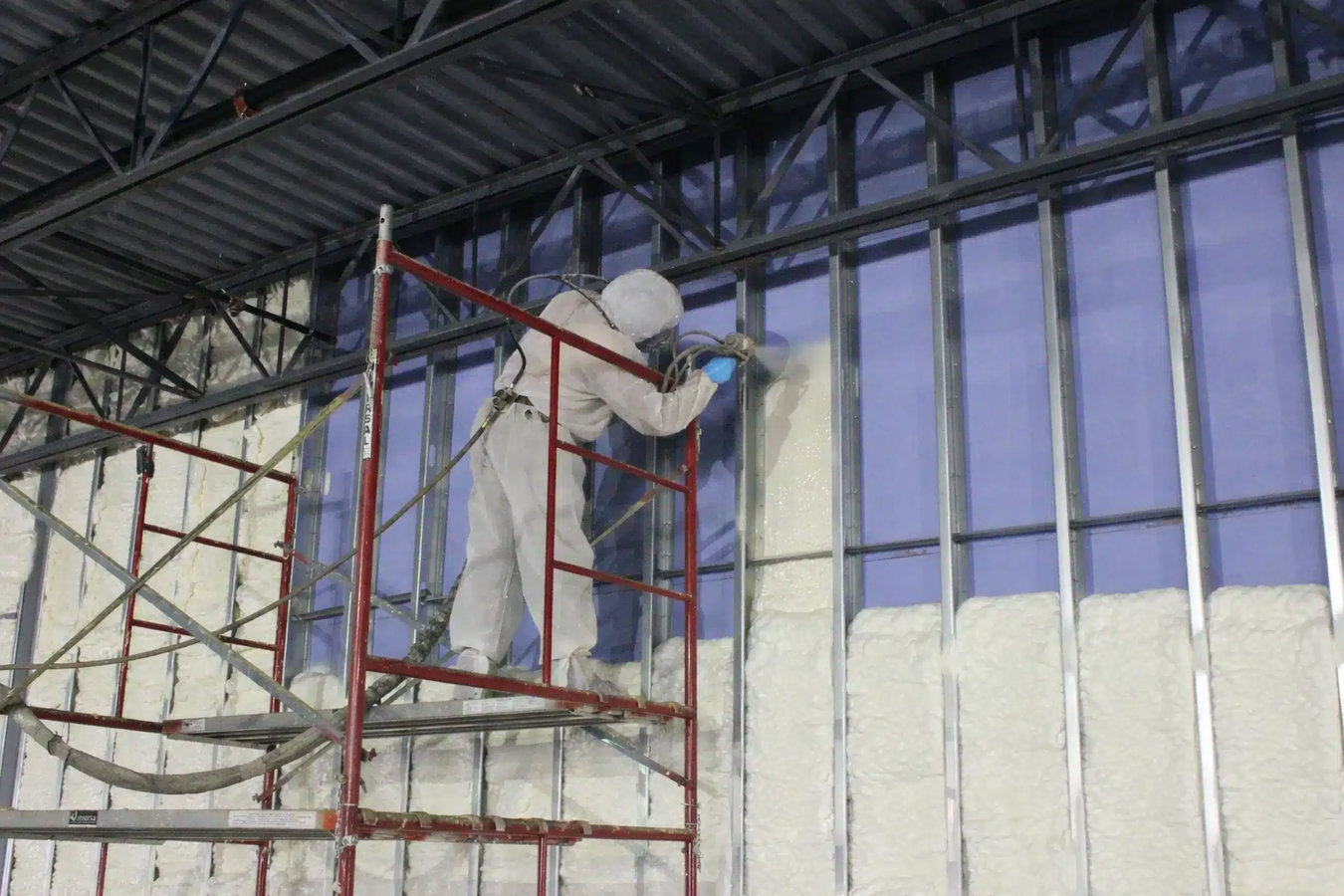
San Luis Obispo has a large and varied commercial sector - offices near downtown, light industrial buildings north of the city, and retail and service businesses throughout. Many of these buildings were constructed before California tightened its energy codes, and they pay for it every month in high utility bills and uncomfortable working environments. Our commercial insulation services cover roof decks, wall cavities, and mechanical spaces in buildings of all sizes, with minimal disruption to your operations and full permit compliance.
A large portion of San Luis Obispo homes were built between the 1920s and 1970s, and many of them still have the original thin layer of insulation in the attic - or none at all. SLO summers are hot and dry, with temperatures regularly reaching the upper 80s and occasionally topping 100 degrees, which means an uninsulated attic turns into a heat source that your air conditioner fights all afternoon. Upgrading to current R-value levels in the attic is consistently the highest-impact first step for SLO homeowners trying to cut cooling costs.
Older Craftsman bungalows and Spanish Colonial homes near downtown SLO present a specific challenge - wall cavities that are narrow, partially filled with old material, or simply inaccessible from the interior. Closed-cell spray foam applied in crawl spaces, rim joists, and attic knee walls fills irregular gaps completely and creates an air barrier at the same time. For hillside homes in Alta Vista or Ferrini Heights, spray foam in the crawl space is often the most effective way to address the cold floors and moisture issues that come with sloped lots.
Many SLO homes built before 1980 have stucco or wood siding over wall framing with little to nothing inside the cavity. On a hot SLO afternoon, an uninsulated exterior wall radiates heat directly into your living space. Adding wall cavity insulation through a minimal-disruption process - small access holes, cavities filled, patches applied - makes exterior walls noticeably cooler to the touch and reduces how hard your HVAC system has to work through the long summer dry season.
Many San Luis Obispo homes sit on raised foundations, particularly the older bungalows and Craftsman-style houses in the neighborhoods near downtown and the Railroad District. Clay-heavy soils in parts of SLO expand when wet and shrink when dry, creating moisture fluctuations in crawl spaces throughout the year. Pairing crawl space insulation with a vapor barrier addresses both the cold floors that homeowners notice and the hidden moisture that works silently into floor framing over time.
San Luis Obispo has a wide range of home ages. The neighborhoods closest to downtown include Victorian-era homes, Craftsman bungalows, and Spanish Colonial Revival houses built between the 1900s and 1950s - many of which still have original wall construction with minimal or no insulation inside. The areas on the city edges and hillside neighborhoods added housing through the 1960s and 1980s, before California tightened its energy codes substantially. That means most of the city's older housing stock was built under standards that left walls, attics, and crawl spaces far below what current code requires. Hot, dry summers - with highs regularly pushing into the upper 80s and occasionally past 100 degrees - push cooling systems hard in homes where attics and walls were never properly insulated.
San Luis Obispo's winter rainy season runs from November through March, and the clay soils in parts of the city expand and contract with each wet-dry cycle. That soil movement puts stress on foundations, concrete flatwork, and crawl space floor framing - and it means moisture is a year-round consideration in homes with uninsulated crawl spaces or poorly sealed attic hatches. The city also has a large rental market driven by Cal Poly SLO, which means a significant share of the older housing stock near campus has been under heavy use for decades without major envelope upgrades. Whether you own a single-family home near Mission San Luis Obispo de Tolosa or a commercial building on the north side of town, the combination of aging construction and a climate with genuine summer heat and wet winters creates a consistent demand for insulation work.
Permitted insulation work in San Luis Obispo goes through the City of San Luis Obispo Community Development Department, and we are familiar with that permitting process. The homes we work on most often in SLO fall into two distinct categories: the older single-story bungalows and Spanish Colonial homes in the historic districts near downtown, which tend to have narrow wall cavities and original insulation that has long since compressed; and the hillside homes in neighborhoods like Alta Vista and Ferrini Heights, which sit on sloped lots with complex crawl space access and drainage situations.
Highway 101 runs through the city and connects to the downtown core via Marsh Street and Higuera Street, where many of the city's oldest commercial buildings and residential blocks are located. The Thursday Night Farmers Market on Higuera Street is a fixture of local life, and we work in the neighborhoods all around it - from the Railroad District to the blocks below Bishop Peak. We also serve homeowners in Paso Robles to the north, where a different set of housing conditions and an inland climate create their own insulation demands.
For commercial property owners, we work on buildings throughout the city and are familiar with the mix of light industrial space near the edges of town and older retail and office buildings closer to the core. We also regularly serve homeowners in Pismo Beach to the south, where a coastal environment creates its own distinct set of insulation and air sealing challenges.
Reach out by phone or through the contact form and we will respond within one business day. We will ask a few quick questions about your property type, age, and what you have been experiencing - this helps us arrive prepared with the right equipment and a realistic sense of what we will find.
We walk through the building in person - attic, walls, crawl space, and any mechanical spaces - to see what is currently there and where the biggest gaps are. We give you a written estimate after this visit, not over the phone, so the number reflects your actual situation. We will tell you upfront whether a permit is required for your project and what that process looks like.
Most attic, crawl space, and commercial work happens in spaces separate from your main living or work areas, so you can stay home or keep your business open during the project. Residential attic jobs typically take one day. Commercial and whole-building projects may run two to three days depending on scope.
Before we leave, we walk you through the completed work so you can see what was done and ask any questions. If a permit was pulled through the City of San Luis Obispo Community Development Department, we coordinate the inspection and make sure you have the sign-off documentation for your building records.
We serve homes and commercial buildings across San Luis Obispo - from the historic downtown neighborhoods to the hillside areas near Bishop Peak. Get a written estimate after an in-person assessment, with no pressure to commit on the spot.
(805) 291-8906San Luis Obispo is a compact city of about 47,000 people on the Central Coast of California, roughly midway between Los Angeles and San Francisco along Highway 101. The city is known for its walkable downtown core anchored by Mission San Luis Obispo de Tolosa, a historic Spanish mission built in 1772 that sits at the center of the city. The neighborhoods surrounding downtown include a mix of Victorian-era homes, Craftsman bungalows, and Spanish Colonial Revival houses that give SLO its architectural character. Hillside neighborhoods like Alta Vista, Ferrini Heights, and the areas below Bishop Peak - the tallest of the Nine Sisters volcanic peaks visible from nearly everywhere in the city - contain a mix of mid-century ranch homes and more recent construction on sloped lots.
Cal Poly San Luis Obispo brings roughly 22,000 students into the city and shapes much of the rental market, particularly in neighborhoods like the area along Grand Avenue and California Boulevard where older homes from the 1950s through 1970s have seen decades of heavy occupancy. The city has a roughly even split between owner-occupied and renter-occupied housing, which means the housing stock ranges from well-maintained owner homes to properties with significant deferred maintenance. For homeowners in SLO, the combination of a genuinely hot summer, a wet winter rainy season, and a large share of older construction means insulation upgrades consistently pay off in comfort and lower utility costs. Nearby Arroyo Grande to the south shares a similar mix of older housing stock and growing suburban neighborhoods that also benefit from the same insulation services.
High-performance spray foam that air-seals and insulates in a single application.
Learn moreProtect your floors and foundation from moisture and temperature swings.
Learn moreKeep basements comfortable and dry year-round with targeted insulation.
Learn moreRigid, moisture-resistant foam delivering the highest R-value per inch.
Learn moreFlexible, sound-dampening foam ideal for interior walls and ceilings.
Learn moreCommercial-grade insulation for offices, warehouses, and mixed-use buildings.
Learn moreHeavy-duty poly barriers that block ground moisture from entering your home.
Learn moreProfessional vapor barrier installation to protect against condensation and mold.
Learn moreServing these cities and communities.
Whether you own an older bungalow near downtown or a commercial building on the north side of SLO, we will give you a written estimate after a real in-person assessment - no phone quotes, no pressure.